March 30-April 5, 2006
City Beat
Two Minutes With... Lou Ann MerkleCo-Director, Darfur Alert Coalition
City Paper: How can my neighbor make a difference for someone living in a tent?
Lou Ann Merkle: Our aim is to set up a sister-city relationship between Philadelphia and, say, a camp in Chad. The women would say, "We need certain materials to produce products we can sell." They need to supplement the charity they're getting from international aid organizations. If they need bikes, for instance, to ride around the camps, seeds to plant, books or materials for schools. This is beyond what the aid agencies do. This is what people-to-people could do.
CP: Have humanitarian efforts had any effect on people on the ground?
LAM: In some ways, very tragically, no. The African Union only has an observer mandate and that does absolutely nothing to protect the people whose villages have burnt to the ground. But U.S. legislation has been pushed forward in ways it never would have been without the public outcry.
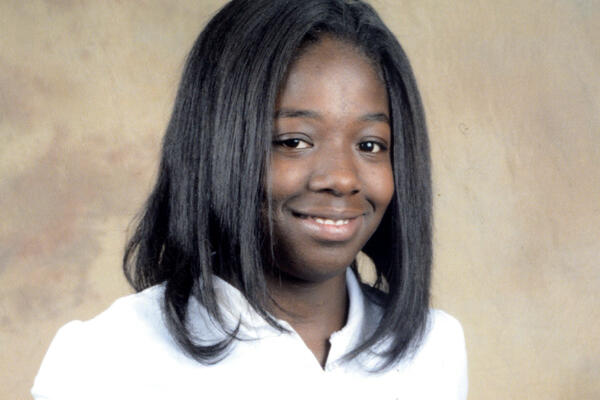
Lou Ann Merkle (pictured on the left)
|
CP: Do you worry that resources going to Iraq and Afghanistan are taking away from help the U.S. could provide the victims?
LAM: Obviously, if we're waging war in one part of the world it takes away from our ability to stop war in another part of the world. But our group is really focused on linking with the survivors because the Sudanese immigrant community in Philadelphia has family living in the camps.
CP: Why should people who don't have a direct connection to Sudan attend the talks?
LAM: We watched in silence as genocide in Rwanda killed 800,000 people. We say, "Never again," when we hear about the Holocaust that killed six million Jews. This is our opportunity to do everything we can to live up to our belief that we can do something to stop genocide.
These talks are free and open to the public.